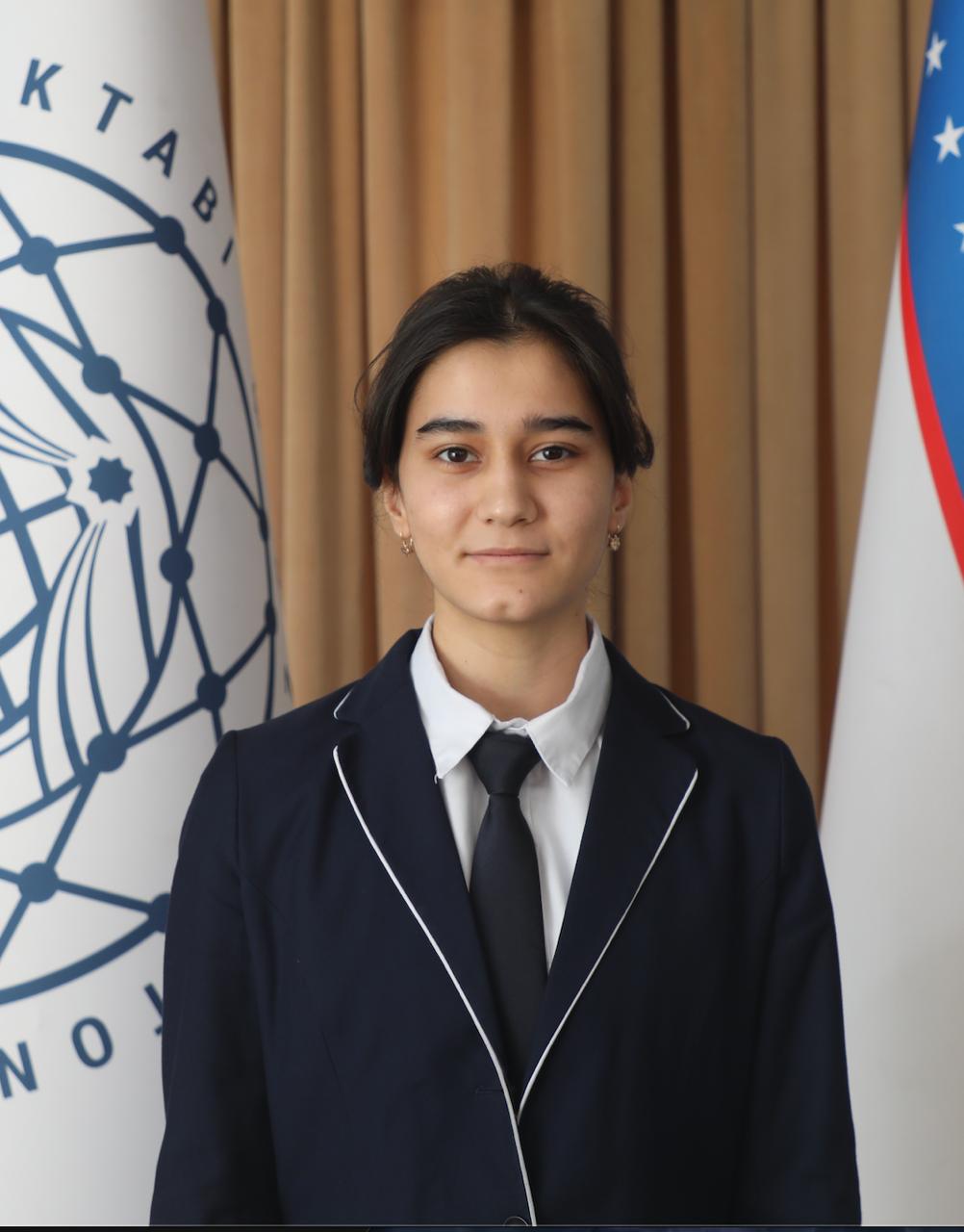
Shakhriniso Kholboeva
Founder & Director
Presidential School in Karshi, Uzbekistan

Inaugural Competition · 2026
A free economics essay competition for high-school students exploring the economic questions shaping Central Asia.
Open worldwide · Central Asian focus required · Ages 14–19 · Maximum 1,200 words · English · Free entry
2026 submissions are now closed.Review underway
2026 Competition Update
The inaugural Central Asia Economics Prize received 183 submissions from students across 34 countries and territories.
Preliminary review is currently underway.01 — About
The Central Asia Economics Prize is a free economics essay competition for high-school students aged 14–19.
Students from any country may participate, but all essays must directly engage with the economic context of Central Asia. Participants choose one of four economics questions and submit an individual essay of no more than 1,200 words in English.
The competition encourages students to develop evidence-based arguments, engage with competing perspectives, and apply economic reasoning to real problems.
Organizing Team
The organizing team founded and runs the Central Asia Economics Prize. It is separate from the preliminary reviewers and final judging panel.
Founder & Director
Presidential School in Karshi, Uzbekistan

Co-Founder & Academic Lead
Presidential School in Karshi, Uzbekistan

Co-Founder & Operations Lead
Presidential School in Samarkand, Uzbekistan
02 — Competition
The competition is open to high-school students aged 14–19 at the submission deadline. Students from any country may participate, but every essay must directly engage with Central Asia.
Central Asia primarily includes Kazakhstan, Kyrgyzstan, Tajikistan, Turkmenistan, and Uzbekistan. Students are not required to discuss all five countries.
03 — Questions
Choose one of the four official categories and answer its question. Each invites careful economic reasoning, credible evidence, and an independent response grounded in Central Asia.
04 — Full rules
05 — Judging
Essays are anonymized for review. Preliminary review is currently underway; selected essays will then move to finalist review by the final judging panel.
Assessment principles
Strong essays will not simply describe an economic issue. They should develop a clear argument, use relevant evidence, engage seriously with competing explanations or counterarguments, and reach a well-supported conclusion.
2026 Review Panels
Members are listed as Preliminary Reviewers.
Final judges evaluate essays that advance to finalist review.
06 — Awards
Outstanding participants may receive opportunities for publication, academic recognition, and further engagement with economists and researchers.
 Winning
07 — Publication
CAEP intends to publish selected outstanding essays through an official digital collection of winning work.
Selected essays may also be recommended to external publications for independent editorial consideration where opportunities are confirmed.
08 — Academic connections
One objective of CAEP is to help promising students interact with the wider economics community.
Where possible, outstanding participants may be introduced to academics or policy professionals whose work relates to their interests. This may lead to discussion, feedback, reading recommendations, guidance on future writing, or potential future collaboration.
09 — 2026 Timeline
September 26 – October 1, 2026
10 — Results
The results of the inaugural Central Asia Economics Prize will be announced in early October 2026.
To be announced
To be announced
To be announced
Publication links to be added
11 — Submission
Submissions for the inaugural Central Asia Economics Prize 2026 closed on 24 September 2026 at 23:59 Uzbekistan Time (UTC+5). The four 2026 essay questions remain available above as part of the competition record.
12 — FAQ
13 — Contact
Questions about eligibility, submissions, judging, or competition rules are welcome.